


Lawmakers must maintain balance as they tinker with the fundamental process of voting.
One of the key points of election administration is Access vs. Integrity: what safeguards are in place as we create new novel ways to issue and return ballots.
This month lawmakers passed HB5001 (now signed into law as Public Act 26-42). Sponsors celebrate the bill as “absentee ballots for all.”
Absentee ballots for civilians have been a part of our tradition in CT for almost 100 years. (Military absentee ballots were first authorized during the civil war). This session our lawmakers removed the need for an excuse to apply for an absentee ballot, so more people can take advantage of voting by mail. This increases “access.”
What they did not do, however, was create any corresponding improvements on the side of “integrity.”
For example, nowhere in the process may a Town Clerk check the signature of an absentee application against the voter’s signature on their voter registration card. Nor can a Registrar check the signature on the returned ballot envelope. In fact, the law limits election officials to only checking for the “presence” of a signature. If John Wayne is issued a ballot and the returned envelope is signed “Marilyn Monroe,” CT counts the ballot, as there is a signature present.
The lack of verification puts CT in competition for the weakest mail ballot security in the country. Below are some examples from many western states which handle huge numbers of mailed ballots. ALL OF THEM verify signatures, and tout that as a key portion of their election integrity
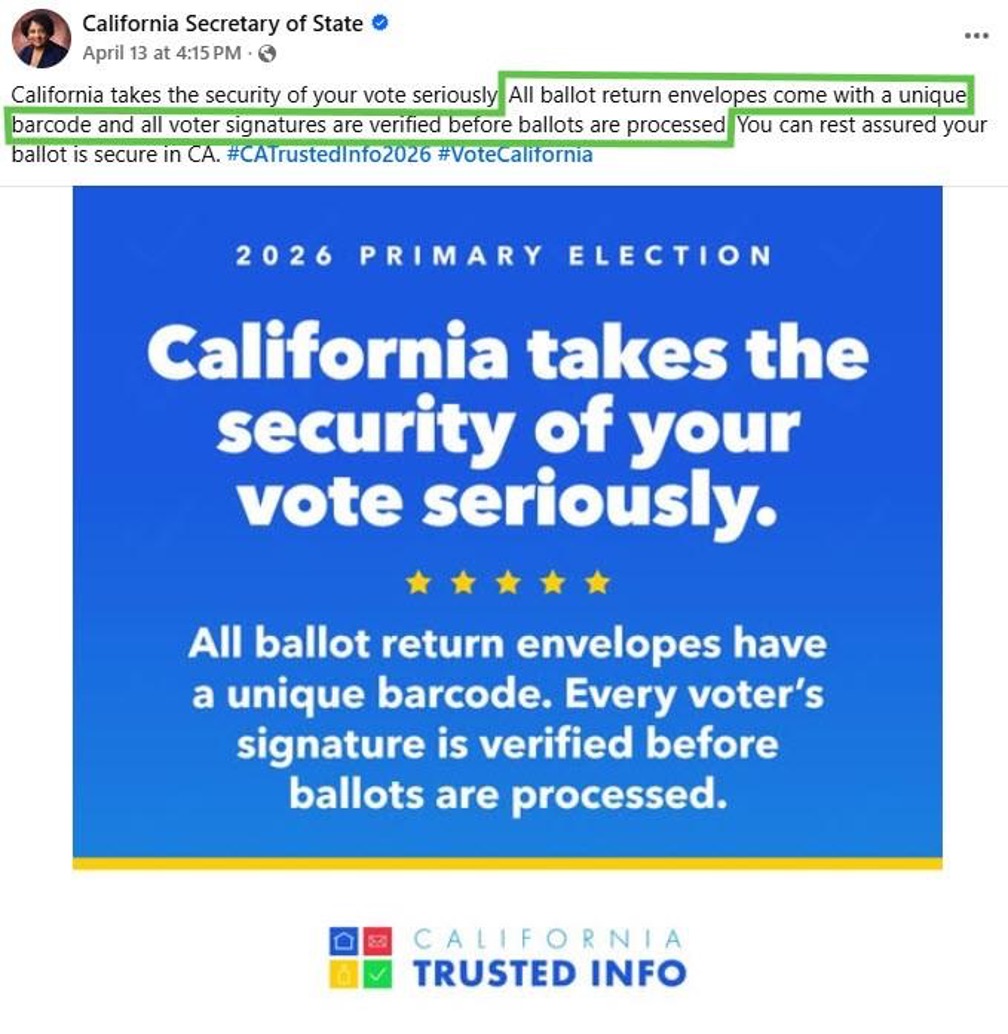

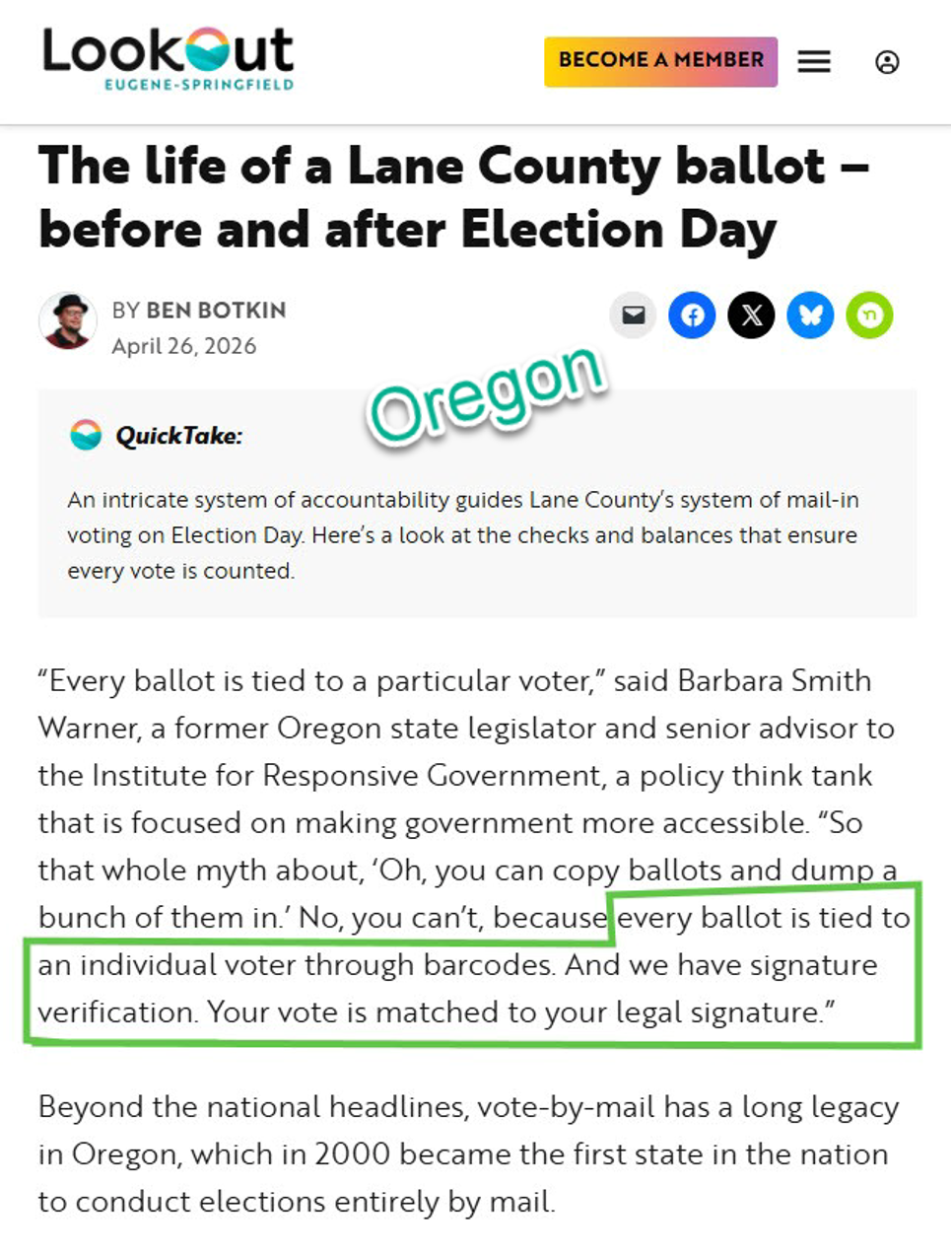
Our legislature made a choice to disregard this security step.
Signature verification isn’t perfect. Handwriting changes as people age. And some argue young people don’t even know how to write their name in cursive. That’s true. Which is why some states are also offering alternative methods like requiring the last 4 digits of your social security number or driver’s license.
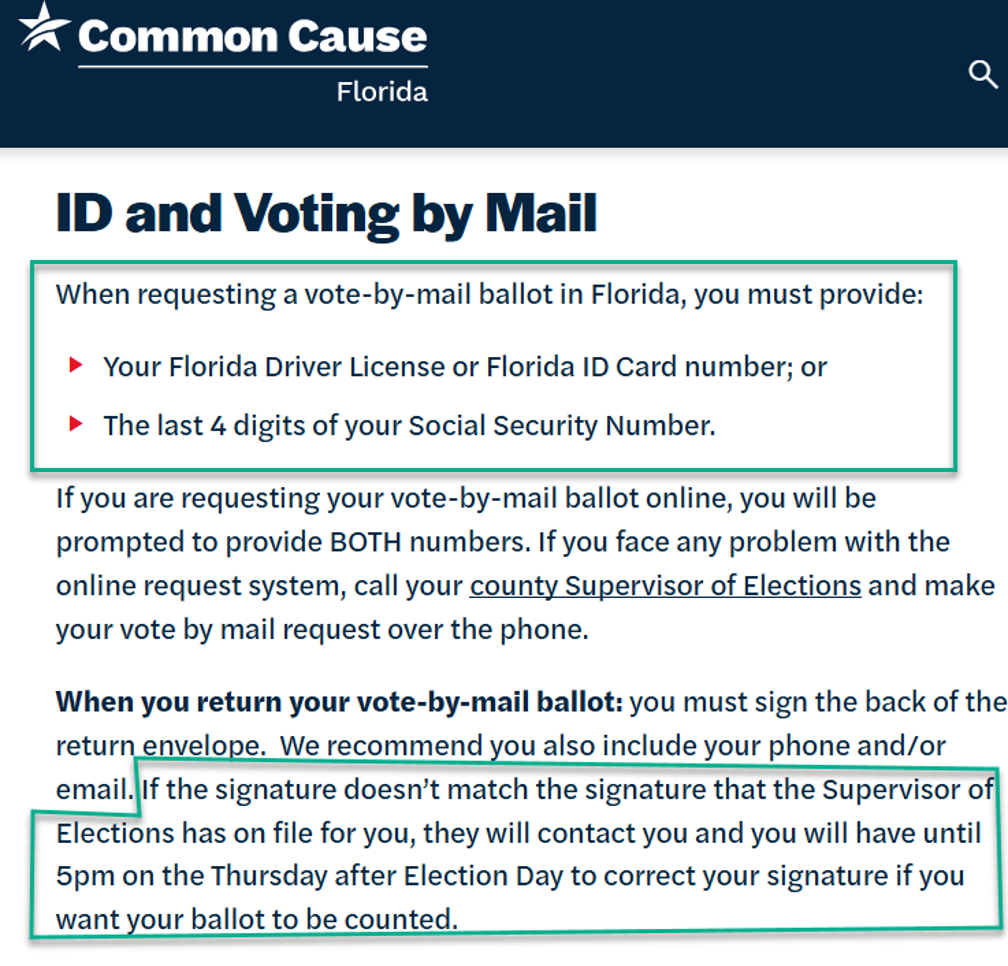
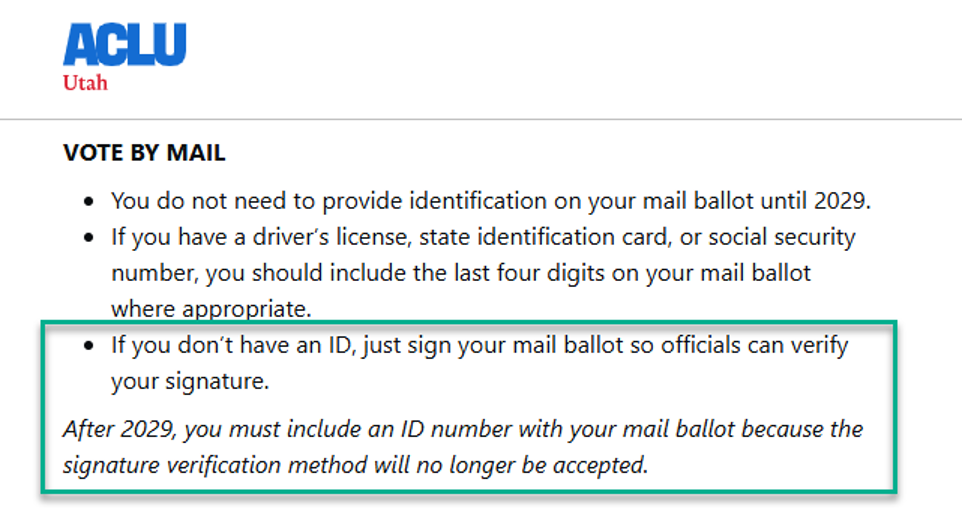
Some will say this is a solution in search of a problem. But we have documented cases where signature verification would have prevented the kind of fraud found in Stamford a decade ago and more recently in Bridgeport. How many examples do we need before we add these protections to our procedures?
For a side by side comparison on how states secure their mailed ballots, visit https://www.ncsl.org/elections-and-campaigns/table-14-how-states-verify-voted-absentee-mail-ballots
In the Karate Kid Mr. Miyagi told Daniel "Lesson not just karate only. Lesson for whole life. Whole life have a balance, everything be better."
CT deserves the same balance between access and integrity that California, Washington, Oregon, Colorado, and many other states have.


