


The Other 250th Anniversary
Although already known by some, it bears repeating for all. This year there are two meaningful 250th anniversaries.
The U.S. Declaration of Independence was adopted by the Second Continental Congress on July 4, 1776, and Adam Smith’s The Wealth of Nations was published March 9, 1776.
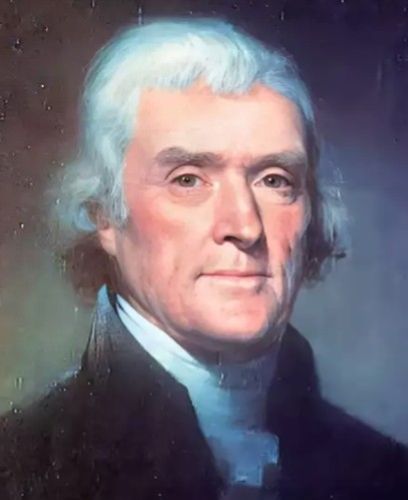
Thomas Jefferson July 4, 1776 |
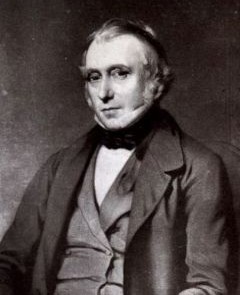
Adam Smith March 9, 1776 |
Both marked a defining moment in modern history.
Though written for different purposes, both emerged from the Enlightenment and helped shape the political and economic foundations of the modern capitalist world.
Many principles associated with today's Republican Party trace intellectual roots to these two works, though the relationship is not exact or exclusive.
|
Traditional Republican philosophy has long emphasized limited government, individual liberty, free enterprise, private property, and skepticism toward excessive federal authority |
The Declaration of Independence was fundamentally a political document. Drafted principally by Thomas Jefferson, it asserted that governments derive “their just powers from the consent of the governed” and that individuals possess natural rights independent of government itself. Its central themes were liberty, self-government, and resistance to concentrated political power. The document rejected monarchy and inherited privilege in favor of government accountable to citizens.
Adam Smith’s Wealth of Nations addressed a related question: what creates prosperity? Smith argued that economic growth comes less from state control and more from individual initiative, competition, specialization, and relatively free markets. He criticized mercantilism, under which governments tightly regulated trade and granted monopolies. Smith instead emphasized that decentralized economic decisions generally produce greater national wealth.
The connection between the two works lies in their shared philosophical foundation. Both reflected the Enlightenment’s confidence in individuals and skepticism toward concentrated authority. The Declaration shifted political legitimacy away from kings and toward citizens. Smith shifted economic legitimacy away from state planners and toward individuals acting freely in markets.
This overlap helps explain their influence on Republican principles. Traditional Republican philosophy has long emphasized limited government, individual liberty, free enterprise, private property, and skepticism toward excessive federal authority. Republican support for lower taxation, deregulation, and private-sector growth reflects Smith’s belief that prosperity is generally best created by individuals and markets rather than centralized bureaucracies. Likewise, Republican concerns regarding federal expansion echo the Declaration’s suspicion of concentrated political power.
At the same time, neither document aligns perfectly with modern Republican doctrine. The Declaration’s assertion that “all men are created equal” has inspired reform movements across the political spectrum. Likewise, Smith opposed monopolies and corporate favoritism and recognized important roles for government in infrastructure, education, national defense, and the administration of justice.
Nevertheless, the connection remains strong. Together, the Declaration and Wealth of Nations articulated a revolutionary vision of political and economic liberty, rejecting systems rooted in centralized control and inherited privilege while placing greater trust in the individual.


