Hartford’s Hall Pass and the Full Moon: I Called It.
The Future of Greenwich Belongs to You this November - Early Vote Now - Election Day Tuesday November 3rd
By Jonathan Goldstein · Originally published on Substack, October 29, 2026
First Hartford takes control of our neighborhoods. Then it tells Greenwich what to do with our taxes and schools. And somehow, our representatives still get to say they voted NO.
I Called It Before the Debate. I Raised It at the Debate. Now Look What’s Happening.
There is a political tradition in Hartford that Greenwich residents should understand.
I call it the Hall Pass and the Full Moon.
The Hall Pass: When a controversial bill already has enough votes to pass, a legislator can vote NO, go home, and tell constituents they opposed it. But what did they actually do to stop it?
The Full Moon: When Hartford turns its backside on Greenwich, takes away local decision-making power, and leaves our residents dealing with the consequences.
It’s a little political humor. But the consequences aren’t funny.
And I’ve been warning about both throughout this campaign.
The Hall Pass: A NO Vote Doesn’t Tell the Whole Story
Let’s look at the legislative record.
On May 27, 2025, Greenwich State Representative Steve Meskers voted YES on House Amendment B to HB 5002, a controversial housing bill.
Later that evening, he voted NO on the amended bill.
The bill passed the House anyway, 84–67.
Those are recorded votes, not speculation.
That bill was subsequently vetoed by Governor Lamont. But the housing debate did not end there. My father and I wrote this as a father son piece back then.
In November 2025, Hartford enacted a different housing measure, HB 8002, which became Public Act 25-1. We covered that too as the father -son duo as we care about this state and built this Substack to over 23,000 people.
My criticism is not that every NO vote is meaningless. My criticism is that a final NO vote is only part of the record.
Did your representative challenge the bill? Debate its consequences? Offer amendments? Fight for sewer capacity, parking, local infrastructure, and municipal authority?
Or did the opposition end with a vote after the outcome was effectively decided?
I’ve called this a political hall pass. That’s my characterization of a legislative practice—not a claim that anyone privately arranged a deal.
A hall pass may get a politician off the hook. It doesn’t get Greenwich off the hook. That is where we stand in the 150th with your current representative - Just another seat at the table but no voice for Greenwich.
The Full Moon: Your Neighbor Sells. Hartford Changes the Rules.
Picture this.
You’ve lived in Greenwich for 20 or 30 years. You bought your home, raised your children, invested in your property, and chose your neighborhood for a reason.
Then your neighbor sells.
What gets built next door?
Should the answer come from Greenwich’s Planning and Zoning Commission, applying local standards, or from state laws that limit what local officials can require?
Public Act 25-1 changes Connecticut’s housing planning and zoning framework, including rules governing certain developments and minimum off-street parking requirements.
Not every home sale permits a large apartment building. Existing zoning and applicable legal requirements still matter. But the broader question is real: How much authority should Greenwich retain over its own neighborhoods?
What about traffic? Sewer capacity? Drainage? Schools? Parking?
Hartford may write the rules. Greenwich residents live with the results.
That’s what I mean by the Full Moon.
Hartford turns its backside on local concerns, and Greenwich gets the view.
And Now Hartford Is Looking at Your Taxes and Schools
On October 26, 2026, the CT Mirror reported that the Connecticut Citizens’ Assembly on Property Taxes recommended proposals including highway tolls, a surcharge on high incomes, incentives for school regionalization, and changes to special education financing.
These are recommendations, not enacted laws. The assembly also proposed measures intended to reduce municipal burdens, including greater state support for special education.
But these recommendations raise questions that I believe Greenwich should confront now, not after legislation is drafted.
Who decides how our schools are organized?
Will local taxpayers receive genuine property tax relief, or will one set of taxes simply replace another?
Will Greenwich retain control of education and development decisions?
And will state lawmakers be willing to challenge proposals from their own leadership?
I warned that Hartford’s expansion into local zoning could be followed by more debates over local fiscal and educational control.
Now those debates are on the table.
That is what I meant when I said I called it.
I did not predict every recommendation. I predicted the larger conflict over who controls Greenwich’s future.
Greenwich Is Not Stamford
Stamford is a city. Its density, development needs, transportation network, and municipal priorities are different.
Greenwich has different neighborhoods, infrastructure, and planning needs.
Housing affordability is a legitimate concern. So is the need to provide opportunities for younger residents, working families, and seniors.
But housing policy must account for the infrastructure necessary to support growth.
We cannot simply look at how many housing units a sewer system can accommodate in dry weather while ignoring what happens during a heavy rainstorm.
We already have concerns about sewage entering Long Island Sound and beach closures.
Development decisions and infrastructure planning belong in the same conversation.
One size does not fit all.
I’d Rather Make Noise at the Kids’ Table Than Sit Quietly at the Grown-Ups’ Table
I’ve said throughout this campaign that I may be part of the minority in Hartford.
I understand that.
But I’ve also raised an important question: Have you ever heard how much noise kids can make at the kids’ table?
Sometimes they make so much noise that the grown-ups have to stop talking and pay attention.
That’s the kind of representation I’m talking about.
As an attorney, I’ve negotiated with people who had more leverage than I did. In construction, I know that problems don’t disappear because someone refuses to acknowledge them.
You challenge the assumptions. You ask the uncomfortable questions. You demand answers. You put alternatives on the table.
And you make sure that the people making decisions cannot say nobody warned them.
I would rather be heard from the minority table than sit quietly at the majority table.
No More Hall Passes. No More Full Moons.
My priorities remain simple:
A — Affordability: Address outrageous utility costs, eliminate the Public Benefits Charge from electricity bills, and pursue a temporary gas and diesel tax holiday.
B — Beaches: Address sewage pollution, infrastructure failures, and beach closures affecting Long Island Sound.
C — Local Control: Protect Greenwich’s voice in zoning, development, infrastructure, and education decisions.
I’m not going to Hartford to ask for a hall pass.
I’m going to Hartford to ask questions, challenge bad bills, offer alternatives, and make sure Greenwich is heard. I may have to go up there with a hard hat and safety glasses - but that’s what PPE is all about and a good pair of boots

And when Hartford gives us the Full Moon, I won’t pretend the sun is shining.
Greenwich deserves more than a representative who can say he voted NO. Greenwich deserves a representative who makes sure its concerns are heard before the vote.
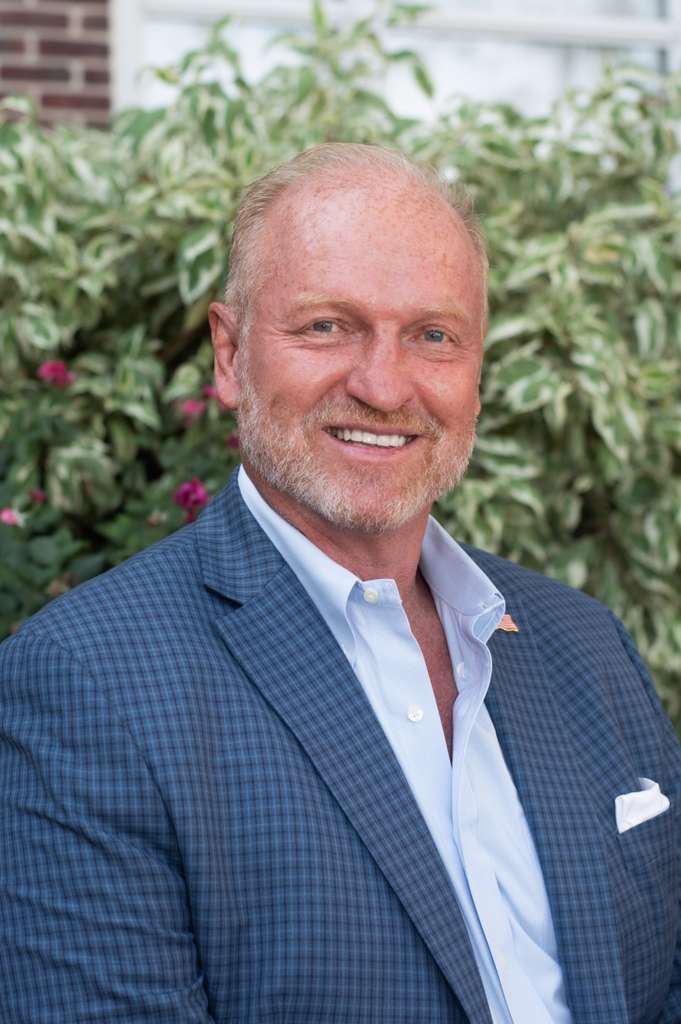
I’m Jonathan Goldstein, and I’m asking for the opportunity to represent Greenwich in Hartford.
Not Red. Not Blue. Just Greenwich.
Jonathan Goldstein | Vote 4B — Row B
Early Voting through November 1 | Election Day November 3, 2026
Paid for by Elect Jonathan Goldstein 2026 – Lorraine Herger, Treasurer.

Sources and legislative record
-
Connecticut General Assembly: Public Act 25-1, November 2025
-
CT Mirror, October 26, 2026: Citizens’ Group Wants Tolls, Tax on Rich to Finance Property Tax Relief
Read the original on Substack: Hartford’s Hall Pass and the Full Moon: I Called It.